The Beauty of a Box
A box sounds simple. Four walls, a base, a lid — and yet it remains one of the most versatile and enduring forms of packaging ever made. From the corrugated cardboard cartons that stack warehouse shelves to the sleek rigid boxes that make unboxing feel like an occasion, the humble box quietly does a great deal of heavy lifting in the world of retail, logistics, and storage.
A brief history worth knowing
The modern cardboard box dates back to the mid-19th century, when Scottish-born businessman Robert Gair accidentally invented the pre-cut cardboard box in 1879. A printing error caused a machine to cut rather than fold paper seed bags — and Gair saw an opportunity. By the 1900s, corrugated cardboard boxes had largely replaced wooden crates for transporting goods, and the shift changed supply chains forever. What started as a happy accident became the backbone of global commerce.
Why corrugated cardboard still dominates
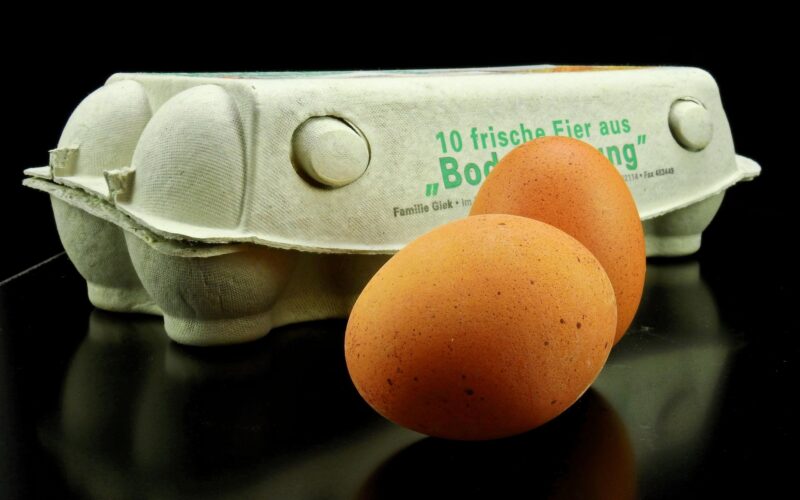
Corrugated cardboard — that distinctive fluted layer sandwiched between two flat sheets — offers a remarkable strength-to-weight ratio. It absorbs shock, resists compression, and can be engineered to carry anything from eggs to engine parts. It is also lightweight enough to keep shipping costs manageable and recyclable enough to satisfy modern sustainability expectations. Few materials balance practicality and environmental responsibility as neatly.
The rise of the premium box
Not all boxes are built for rugged transit. Rigid boxes — the kind used by jewellers, cosmetics brands, and high-end electronics companies — are constructed from thick greyboard and wrapped in printed or textured paper. They do not fold flat, which makes them more expensive to produce and ship, but they communicate quality in a way corrugated board rarely can. For many brands, the box is part of the product experience, a first impression that sets the tone before the contents are even seen.
Storage, simplified
Beyond shipping, boxes have become a cornerstone of home and commercial organisation. Archive boxes keep offices tidy. Stackable plastic boxes make the most of warehouse vertical space. Decorative boxes turn clutter into something approaching décor. The geometry of the box — uniform, stackable, sealable — makes it uniquely suited to the way humans like to sort, store, and retrieve things. Shelves were practically invented to hold them.
Sustainability and the future of packaging
The packaging industry is under real pressure to reduce waste, and the box is evolving in response. Brands are moving towards right-sized packaging to reduce void fill and lower carbon footprints. Some are experimenting with water-activated tape and recycled content to make the entire package curbside recyclable. Others are looking at reusable box systems for last-mile delivery, particularly in urban areas. The box is not going anywhere — but the way it is made, and what happens to it afterwards, is changing fast.
Small format, big impact
Perhaps the most underestimated box of all is the small one. Subscription boxes, gift boxes, and retail-ready packaging have turned the act of opening a parcel into a shareable moment. Brands invest heavily in the interior experience — tissue paper, printed inserts, custom colours — because they know that a well-designed small box can drive word of mouth in ways that no advertisement can replicate. The box, in this sense, is not just a container. It is a communication.